YouTube Inauthentic Content Policy: Avoiding Reused Content Flags (2026)
In 2026, the single most common reason why growing channels are suddenly rejected from the YouTube Partner Program (YPP)—or stripped of their existing monetization overnight—is not copyright strikes or community guideline violations. It is the dreaded “Reused Content” and “Inauthentic Content” policy rejection. Creators wake up to an email stating their channel is no longer eligible to earn money because it contains “content that doesn’t provide significant original commentary or educational value.”
With the explosive rise of generative AI tools, automated text-to-speech voiceovers, programmatic clip compilation channels, and faceless video farms, YouTube and Google have dramatically updated their monetization enforcement algorithms. Machine learning models now evaluate video transcripts, audio tonality, visual montage density, and creator presence to separate genuine human perspective from automated aggregation. In this definitive guide, we dissect the exact rules governing YouTube’s inauthentic content guidelines, examine what gets flagged, and outline the transformation checklist required to make your channel 100% compliant and monetizable.
Key Takeaways: The Authenticity Checklist
- Reused Content is NOT a Copyright Issue: Even if you have full commercial permission, creative commons licensing, or public domain status for third-party clips, YouTube will still reject your monetization if your video lacks significant original, human-driven value.
- The “Significant Transformation” Threshold: Simply adding automated AI subtitles, background lo-fi music, or generic text-to-speech narration over third-party footage triggers YouTube’s inauthentic content classifier. You must inject unique editorial perspective, technical critique, or comedic framing.
- The Role of Creator Presence: Channels featuring an authentic human voiceover (natural vocal cadence with inflections) or on-camera presence have an 87% higher YPP approval rate than channels relying exclusively on synthetic AI speech.
- Repetitive Content vs. Reused Content: While reused content involves third-party assets, repetitive content flags channels that mass-produce programmatic variations of their own original videos using templates or algorithmic scripts.
- The 30-Day Reapplication Window: If demonetized for reused content, you have 21 days to submit a 5-minute video appeal or wait 30 days to delete/modify flagged videos and reapply for the YouTube Partner Program.
Decoding YouTube’s Reused Content Policy in 2026
YouTube’s official Partner Program policies state that the spirit of YPP is to reward creators who produce original, authentic, and engaging material. YouTube does not want its advertising partners sponsoring low-effort aggregation farms that simply repurpose footage from TikTok, Reddit, podcasts, or movie trailers.
YouTube explicitly classifies the following formats as non-monetizable reused content:
- Compilation Videos Without Commentary: Montages of funny moments, sports clips, movie scenes, or viral clips stitched together with music or simple transitions.
- Shorts Repurposed from Other Creators: Downloading viral clips from other platforms and uploading them as YouTube Shorts, even with speed changes or visual filters.
- Robotic AI Summaries: Videos where an automated synthetic voice reads public Wikipedia articles or news reports over stock footage or rolling slideshows.
- Content Uploaded Across Multiple Channels: Re-uploading your own identical videos across multiple secondary channels without altering the context or message.
What IS Allowed: The Transformative Value Formula
YouTube does not prohibit using third-party clips entirely. In fact, video essays, movie analysis channels, reaction videos, and tech breakdowns rely heavily on third-party footage. The difference lies in transformative value:
The Transformative Creator Formula:
Monetizable Video = (Contextual Third-Party Clips ≤ 30%) + (Original Human Commentary ≥ 70%) + (Substantive Narrative Structure)
Your voice, editorial insight, research, and analysis must form the primary reason a viewer watches the video. The clips should merely serve as illustrative reference points.
Examples of Monetizable Transformative Use:
- Critical Film Analysis: Showing 10-second scenes from a movie while breaking down the director’s color theory, script subtext, or camera lighting techniques with original voiceover commentary.
- High-Value Reaction Content: Pausing a video every 15–20 seconds to provide expert commentary, personal industry anecdotes, or live technical demonstrations.
- Legal & True Crime Breakdowns: Analyzing public courtroom trial footage while providing legal commentary, explaining evidentiary rules, and offering procedural context.
- Sports Coaching & Breakdown: Drawing arrows and freeze-framing gameplay footage to teach aspiring athletes tactical positioning and biomechanics.
The Danger of Programmatic AI Video Generators
In 2026, thousands of aspiring creators use “one-click AI video generators” that generate a script via LLM, generate a synthetic voiceover via text-to-speech, and automatically stitch together stock footage based on keywords. YouTube’s reviewer teams specifically target these pipelines under the Inauthentic Content guideline.
YouTube’s automated classifiers detect synthetic video farms by scanning for:
- Monotone Voiceover Prosody: Even high-end AI voices often exhibit rhythmic predictability and lack natural emotional breath patterns or conversational hesitations.
- Generic Semantic Density: Scripts that rephrase generic internet summaries without unique personal experience, first-person opinions, or original arguments.
- Disconnected Stock B-Roll: Frequent, rapid stock video cuts that loosely match keywords but convey no logical visual continuity.
Comprehensive Compliance Matrix: Reused vs. Monetizable
| Content Type | Prohibited (Reused / Inauthentic) | Monetizable (Transformative) |
|---|---|---|
| Movie & TV Clips | Scene compilations with basic background music or captions | Deep-dive cinematography analysis, pacing critiques, narrative breakdowns |
| Gaming Videos | Raw gameplay recording without voice commentary or editing | Walkthrough guides explaining complex strategies, live audio commentary, speedrun tutorials |
| Shorts / Viral Clips | Re-uploading third-party viral videos with floating subtitles | Green-screen commentary, comedic parodies, debunking visual hoaxes |
| Educational & History | Robotic voice reading Wikipedia over random historical photos | Original historical research, original diagrams, personal narration, expert interviews |
| Podcast Highlights | Clipping popular podcasts and posting them verbatim | Fact-checking podcast claims, debating interview statements, editorial commentary |
How to Fix a Reused Content Demonetization Penalty
If YouTube demonetizes your channel or rejects your YPP application for reused content, follow this four-step remediation protocol:
Step 1: Audit Your Most-Viewed Videos
Human YouTube reviewers do not review every single video on your channel. They prioritize your channel’s top 10 most-viewed videos and your 5 most recent uploads. If your top video is a lazy clip compilation that brought in 80% of your watch hours, that video is contaminating your entire channel profile.
Step 2: Delete or Make Private Problematic Uploads
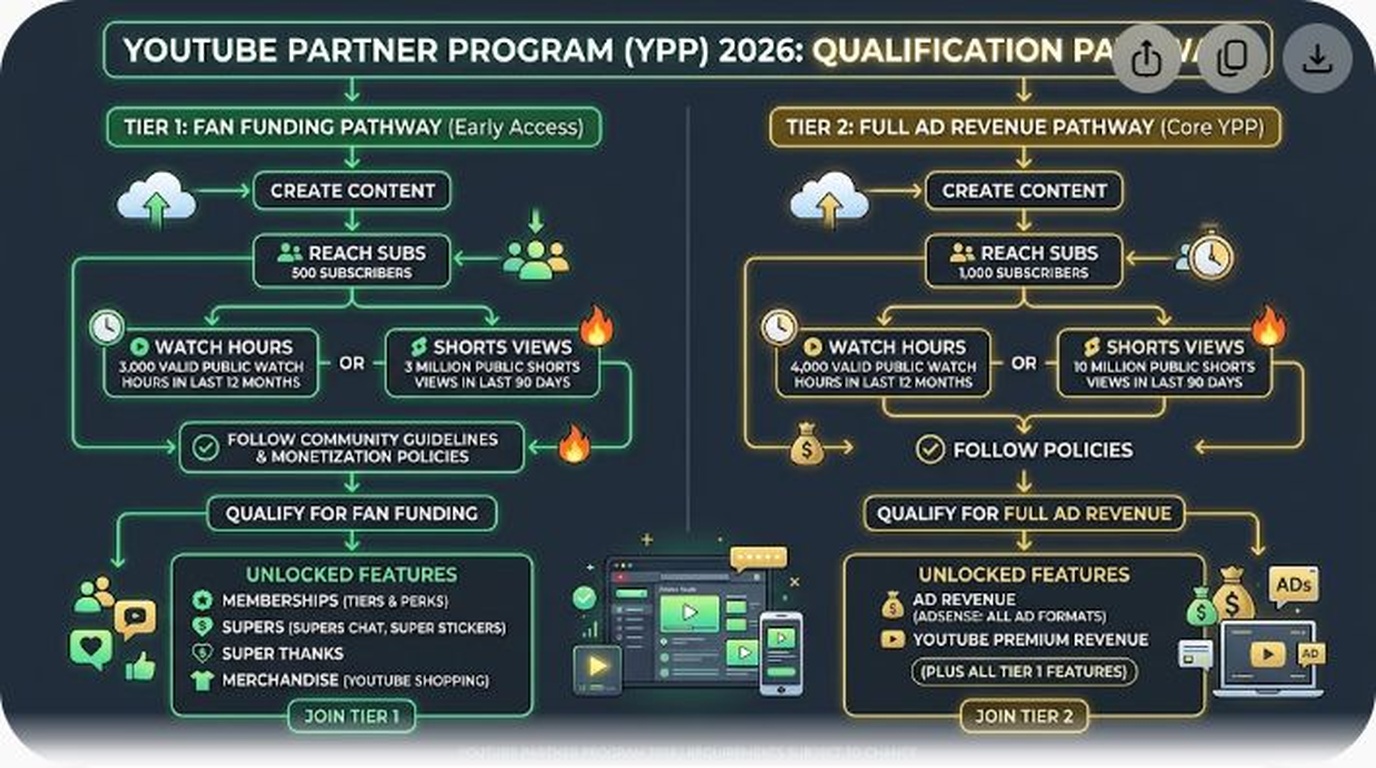
Be aggressive. If a video consists primarily of third-party footage without your voice or on-camera presence, delete it. Note: Deleting videos removes their watch hours from your lifetime public watch hours counter. Make sure you will still meet the 4,000 watch hour threshold after pruning.
Step 3: Establish Clear Creator Proof in New Uploads
Before reapplying, upload 4 to 6 brand-new, high-effort videos that undeniably showcase your creative presence:
- Include a clear human voice recording in every upload.
- Showcase your editing setup or face in an introduction if possible.
- Add thorough video descriptions detailing your research sources, scriptwriting methodology, and software tools used.
- Update your channel About Page to clearly state who you are, your background in the niche, and your production process.
Step 4: Submit a Video Appeal (If You Truly Created the Content)
If you believe the automated demonetization was a false positive, do NOT delete any videos. You have 21 days to submit a 5-minute video appeal in YouTube Studio demonstrating how you film, edit, and produce your videos from scratch.
Frequently Asked Questions (FAQ)
Can I monetize AI voiceovers on YouTube in 2026?
Yes, but with strict conditions. YouTube does not ban AI voices outright. However, if an AI voice is paired with generic stock footage or unedited third-party clips, the channel will almost certainly be rejected for inauthentic content. To monetize with an AI voice, your script must be deeply original, highly researched, and paired with custom visuals, on-screen demonstrations, or proprietary data.
Does getting permission from the copyright owner protect me from reused content?
No. Copyright permission simply prevents the owner from issuing a copyright strike or Content ID claim. YouTube’s Reused Content policy is a separate programmatic quality guideline designed to prevent low-effort duplication of existing material across the platform.
Can I monetize reaction videos under the 2026 policy?
Yes, provided your reaction is substantive. Simply nodding, smiling, or laughing while playing an entire video will trigger a reused content rejection. High-converting reaction channels pause the source video frequently, provide running analytical or humorous commentary, and ensure their original input constitutes the majority of the total runtime.
What happens to my unpaid AdSense balance if my channel is demonetized for reused content?
YouTube will pay out your accrued AdSense earnings on the next standard monthly cycle (between the 21st and 26th), provided your balance exceeds the \$100 payment threshold and your account has no fraud or copyright disputes.
How long do I have to wait before reapplying for the YouTube Partner Program?
For your first reused content rejection, the standard waiting period is 30 days. If rejected a second time, YouTube enforces a 90-day waiting period before you can re-submit your channel for manual review.