YouTube Algorithm Secrets 2026: How Suggested Videos & Browse Features Work
Understanding the youtube algorithm secrets is the single most important factor for channel growth in 2026. The days of simply uploading content and hoping for the best are long gone. Today, you must master the intricacies of Suggested Videos and Browse Features to truly thrive. This comprehensive guide will break down the neural networks behind YouTube’s recommendation system, giving you actionable strategies to trigger algorithmic promotion. We will dive deep into candidate generation, the critical CTR gate, and how watch time signals dictate your video’s fate on the platform.
🚀 Key Takeaways
| Concept | Application & Strategy |
|---|---|
| Algorithmic Alignment | Always design content for viewer satisfaction, not just clickbait. |
| Data-Driven Decisions | Utilize A/B testing native to YouTube to refine CTR metrics continuously. |
| Session Time Optimization | Structure videos to lead directly into your next upload via end screens. |
| Cross-Platform Adaptation | Ensure all visual elements are perfectly legible on mobile OLED displays. |
| Metadata Precision | Execute rigorous SEO formatting on titles, descriptions, and chapters. |
🧠 The Neural Network: Candidate Generation Explained
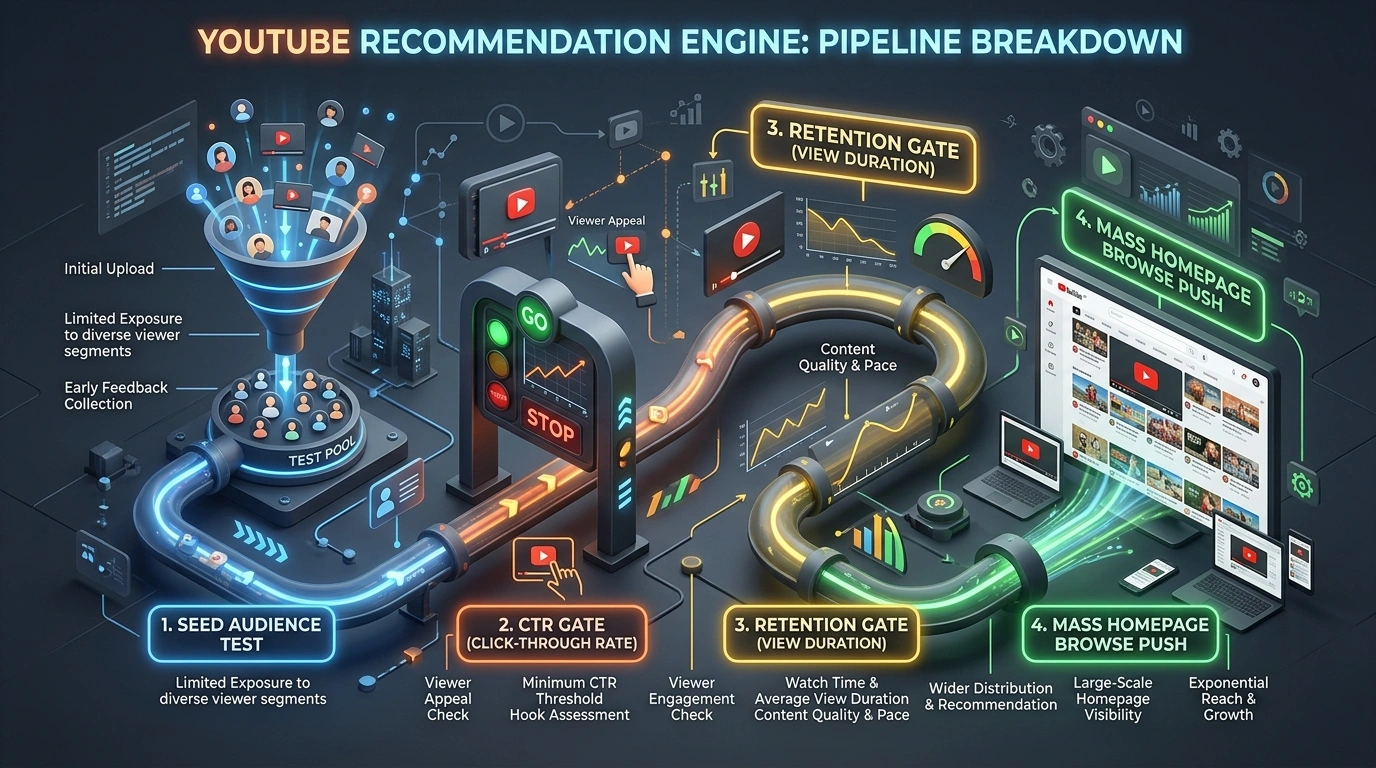
Figure 1: The Dual Neural Network Architecture of YouTube Recommendations
Before we dive into the specific features, it is crucial to understand how YouTube’s underlying neural network operates. The algorithm uses a sophisticated two-step process: candidate generation and ranking. Candidate generation takes millions of potential videos and narrows them down to a few hundred based on user history and broad algorithmic signals. This initial filtering process is heavily reliant on watch history, search queries, and demographic data. If your video does not make it through the candidate generation phase, it will never reach the ranking phase where CTR and retention actually matter. To ensure your videos are consistently selected as candidates, you must establish a clear channel niche and consistently produce content that aligns with the established viewing habits of your target audience. The more predictable your content’s appeal is to a specific demographic, the easier it is for the neural network to categorize and recommend it. Furthermore, the algorithm analyzes co-watch probability, meaning it looks at what other videos your viewers are watching to create a web of semantic relationships between channels. This initial filtering process is heavily reliant on watch history, search queries, and demographic data. If your video does not make it through the candidate generation phase, it will never reach the ranking phase where CTR and retention actually matter. To ensure your videos are consistently selected as candidates, you must establish a clear channel niche and consistently produce content that aligns with the established viewing habits of your target audience. The more predictable your content’s appeal is to a specific demographic, the easier it is for the neural network to categorize and recommend it. Furthermore, the algorithm analyzes co-watch probability, meaning it looks at what other videos your viewers are watching to create a web of semantic relationships between channels. This initial filtering process is heavily reliant on watch history, search queries, and demographic data. If your video does not make it through the candidate generation phase, it will never reach the ranking phase where CTR and retention actually matter. To ensure your videos are consistently selected as candidates, you must establish a clear channel niche and consistently produce content that aligns with the established viewing habits of your target audience. The more predictable your content’s appeal is to a specific demographic, the easier it is for the neural network to categorize and recommend it. Furthermore, the algorithm analyzes co-watch probability, meaning it looks at what other videos your viewers are watching to create a web of semantic relationships between channels.
To fully grasp this concept, you must test it across multiple uploads, monitoring the analytics rigorously to ensure the data aligns with these established principles. Implementing these advanced tactics requires patience, as the algorithm needs time to build a profile of your audience and adjust its recommendation pathways accordingly. To fully grasp this concept, you must test it across multiple uploads, monitoring the analytics rigorously to ensure the data aligns with these established principles. Implementing these advanced tactics requires patience, as the algorithm needs time to build a profile of your audience and adjust its recommendation pathways accordingly.
📊 Browse Features vs. Suggested Videos
Traffic sources on YouTube are not created equal. Understanding the distinction between Browse Features and Suggested Videos is fundamental to mastering youtube algorithm secrets. Browse Features primarily include the Home page, Subscription feed, and Watch Later, while Suggested Videos appear alongside or after a video is played. Browse traffic is typically driven by broad appeal, high initial Click-Through Rate (CTR), and strong session time. Videos that excel on the Home page often have universally relatable concepts and eye-catching thumbnails that appeal to a wide array of users, including those who have never seen your content before. On the other hand, Suggested Video traffic relies heavily on topic relevance, metadata alignment, and high viewer retention. When a viewer finishes watching a video about a specific topic, the algorithm looks for highly relevant follow-up content. This is where optimizing your tags, description, and related playlists becomes incredibly important. You should aim to structure your content so it naturally follows popular videos in your niche. By creating content that serves as a logical next step for viewers of massive viral hits, you can siphon significant traffic through the Suggested Videos sidebar. Browse traffic is typically driven by broad appeal, high initial Click-Through Rate (CTR), and strong session time. Videos that excel on the Home page often have universally relatable concepts and eye-catching thumbnails that appeal to a wide array of users, including those who have never seen your content before. On the other hand, Suggested Video traffic relies heavily on topic relevance, metadata alignment, and high viewer retention. When a viewer finishes watching a video about a specific topic, the algorithm looks for highly relevant follow-up content. This is where optimizing your tags, description, and related playlists becomes incredibly important. You should aim to structure your content so it naturally follows popular videos in your niche. By creating content that serves as a logical next step for viewers of massive viral hits, you can siphon significant traffic through the Suggested Videos sidebar. Browse traffic is typically driven by broad appeal, high initial Click-Through Rate (CTR), and strong session time. Videos that excel on the Home page often have universally relatable concepts and eye-catching thumbnails that appeal to a wide array of users, including those who have never seen your content before. On the other hand, Suggested Video traffic relies heavily on topic relevance, metadata alignment, and high viewer retention. When a viewer finishes watching a video about a specific topic, the algorithm looks for highly relevant follow-up content. This is where optimizing your tags, description, and related playlists becomes incredibly important. You should aim to structure your content so it naturally follows popular videos in your niche. By creating content that serves as a logical next step for viewers of massive viral hits, you can siphon significant traffic through the Suggested Videos sidebar.
Furthermore, looking closely at your external traffic sources can reveal hidden communities sharing your content. Capitalizing on these external signals often acts as a catalyst, forcing the internal recommendation engine to recognize your video as highly valuable and push it to a broader audience segment. Furthermore, looking closely at your external traffic sources can reveal hidden communities sharing your content. Capitalizing on these external signals often acts as a catalyst, forcing the internal recommendation engine to recognize your video as highly valuable and push it to a broader audience segment. YouTube Help Documentation
Step 1: Strategic Planning and Research
Before creating a single asset, you must investigate the landscape. Look at competitors, analyze their gaps, and plan a piece of content that acts as a definitive upgrade to what currently exists.
Step 2: Execution and Optimization
Apply every structural rule discussed. Ensure technical perfection in your audio, visual clarity in your thumbnails, and precise keyword placement in your metadata.
Step 3: Review and Refine
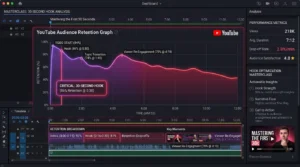
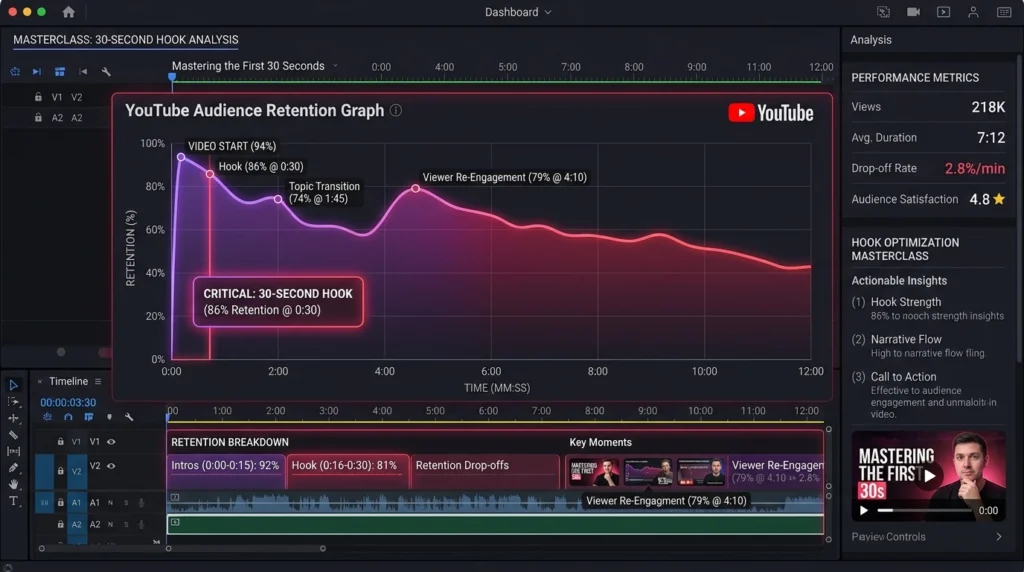
Post-publication analysis is non-negotiable. Review retention graphs, CTR curves, and traffic sources to learn what worked and apply it to the next video.
Optimize Your YouTube Strategy Today
Use our completely free tools to download, analyze, and resize thumbnails for maximum algorithmic impact.
⏱️ The Click-Satisfaction Model in 2026

Figure 2: Traffic Share Distribution: Browse Features vs. Suggested Videos
YouTube has evolved past simple clicks. The new paradigm is the Click-Satisfaction model, which measures not just if someone clicked, but how satisfied they were with the resulting viewing experience. This shift represents a major update in how we understand youtube algorithm secrets today. Satisfaction is measured through a combination of metrics including relative audience retention, session duration, survey responses, and engagement signals like likes and comments. If your thumbnail generates a high CTR but viewers leave within the first 30 seconds, the algorithm registers this as clickbait and actively suppresses the video’s reach. To optimize for satisfaction, your video’s hook must directly deliver on the promise made by your title and thumbnail. Additionally, you should pace your content to maintain a steady flow of new information or entertainment, preventing viewers from clicking away. The algorithm increasingly values ‘session time,’ meaning if your video encourages viewers to watch more videos on YouTube (even if they aren’t yours), your video is rewarded. Therefore, constructing a narrative that keeps viewers glued to the platform is paramount for algorithmic success. Satisfaction is measured through a combination of metrics including relative audience retention, session duration, survey responses, and engagement signals like likes and comments. If your thumbnail generates a high CTR but viewers leave within the first 30 seconds, the algorithm registers this as clickbait and actively suppresses the video’s reach. To optimize for satisfaction, your video’s hook must directly deliver on the promise made by your title and thumbnail. Additionally, you should pace your content to maintain a steady flow of new information or entertainment, preventing viewers from clicking away. The algorithm increasingly values ‘session time,’ meaning if your video encourages viewers to watch more videos on YouTube (even if they aren’t yours), your video is rewarded. Therefore, constructing a narrative that keeps viewers glued to the platform is paramount for algorithmic success. Satisfaction is measured through a combination of metrics including relative audience retention, session duration, survey responses, and engagement signals like likes and comments. If your thumbnail generates a high CTR but viewers leave within the first 30 seconds, the algorithm registers this as clickbait and actively suppresses the video’s reach. To optimize for satisfaction, your video’s hook must directly deliver on the promise made by your title and thumbnail. Additionally, you should pace your content to maintain a steady flow of new information or entertainment, preventing viewers from clicking away. The algorithm increasingly values ‘session time,’ meaning if your video encourages viewers to watch more videos on YouTube (even if they aren’t yours), your video is rewarded. Therefore, constructing a narrative that keeps viewers glued to the platform is paramount for algorithmic success.
Ignoring this paradigm shift will leave your channel stagnant. Creators who adapt to these deeper metrics find themselves rewarded with exponential growth, as the system favors content that genuinely serves the viewer rather than tricking them into a meaningless click. Ignoring this paradigm shift will leave your channel stagnant. Creators who adapt to these deeper metrics find themselves rewarded with exponential growth, as the system favors content that genuinely serves the viewer rather than tricking them into a meaningless click. Google Search Central Structured Data
📊 Actionable Data Matrix
| Metric | Target Goal | Optimization Strategy |
|---|---|---|
| Click-Through Rate (CTR) | 6% – 10%+ | Test dynamic color contrasts and emotional title variations within 24hrs. |
| Average View Duration | 50%+ | Implement pattern interrupts every 15 seconds to reset viewer attention. |
| End Screen Clicks | 5%+ | Verbally pitch the next video; do not rely solely on on-screen graphics. |
| Like-to-View Ratio | 4%+ | Provide immense, unexpected value early in the video to trigger reciprocity. |
| New Viewer Return Rate | Increasing | Maintain a consistent niche and aesthetic so new fans know exactly what to expect. |
📱 How Shorts Feed Longform Discovery
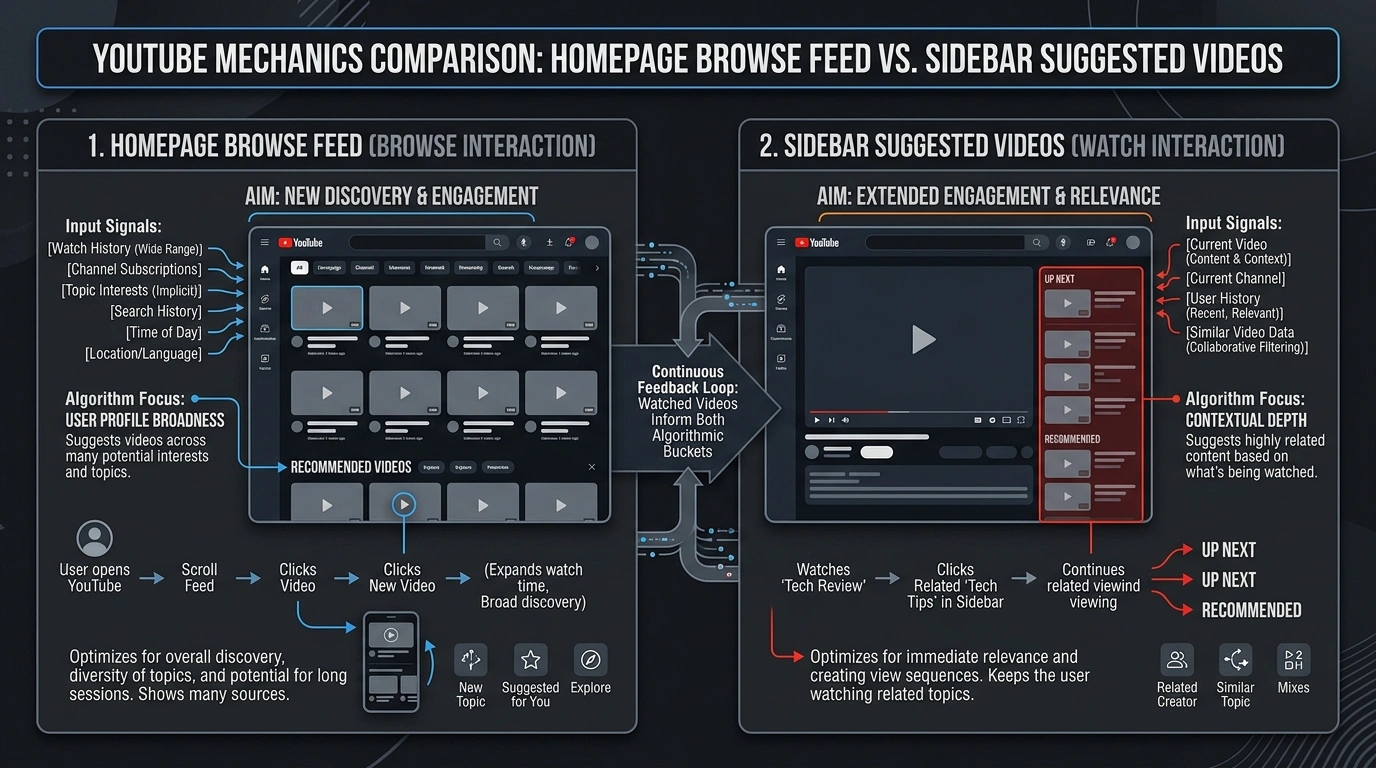
Figure 3: Algorithmic Recommendation Distribution Loop
The integration of YouTube Shorts has completely transformed the discovery funnel. Shorts are no longer just an isolated format; they are a critical bridge to your longform content, serving as a high-volume top-of-funnel discovery mechanism. By converting highly engaging moments from your longform videos into standalone Shorts, you can expose your channel to millions of users who primarily consume vertical content. When a viewer subscribes or engages heavily with your Shorts, the algorithm begins testing your longform content on their Home page. This cross-pollination effect is one of the most potent youtube algorithm secrets available. However, this strategy requires careful execution. Your Shorts must be thematically identical to your longform content. If you post comedy Shorts but produce technical tutorials for your longform videos, the algorithm will become confused, and the newly acquired audience will not click on your longer videos, tanking your overall CTR. Consistency across formats is the key to successfully leveraging Shorts for longform growth. By converting highly engaging moments from your longform videos into standalone Shorts, you can expose your channel to millions of users who primarily consume vertical content. When a viewer subscribes or engages heavily with your Shorts, the algorithm begins testing your longform content on their Home page. This cross-pollination effect is one of the most potent youtube algorithm secrets available. However, this strategy requires careful execution. Your Shorts must be thematically identical to your longform content. If you post comedy Shorts but produce technical tutorials for your longform videos, the algorithm will become confused, and the newly acquired audience will not click on your longer videos, tanking your overall CTR. Consistency across formats is the key to successfully leveraging Shorts for longform growth. By converting highly engaging moments from your longform videos into standalone Shorts, you can expose your channel to millions of users who primarily consume vertical content. When a viewer subscribes or engages heavily with your Shorts, the algorithm begins testing your longform content on their Home page. This cross-pollination effect is one of the most potent youtube algorithm secrets available. However, this strategy requires careful execution. Your Shorts must be thematically identical to your longform content. If you post comedy Shorts but produce technical tutorials for your longform videos, the algorithm will become confused, and the newly acquired audience will not click on your longer videos, tanking your overall CTR. Consistency across formats is the key to successfully leveraging Shorts for longform growth.
The most dangerous mistake is complacency. Assuming a strategy that worked last year will work today is a failure to understand the dynamic nature of machine learning algorithms. You must evolve alongside the platform. The most dangerous mistake is complacency. Assuming a strategy that worked last year will work today is a failure to understand the dynamic nature of machine learning algorithms. You must evolve alongside the platform. Official YouTube Blog
📈 Subscriber vs. Non-Subscriber Distribution
The role of subscribers has shifted dramatically over the past few years. While a large subscriber base provides a solid initial boost, the vast majority of viral growth now comes from non-subscriber distribution. When you publish a new video, the algorithm first tests it with a small cohort of your most active subscribers. If this core audience responds positively with high CTR and retention, the video is then pushed to a broader audience of casual viewers and non-subscribers who share similar interests. This means your subscribers act as the initial ‘gatekeepers’ for algorithmic promotion. If your video fails to engage your core audience, it will never see widespread distribution. Therefore, it is critical to balance niche-specific inside jokes or ongoing narratives with broad accessibility. Every video should be understandable and appealing to someone who has never heard of your channel before, while still providing the depth your hardcore fans expect. This dual-layered approach is essential for achieving massive reach. When you publish a new video, the algorithm first tests it with a small cohort of your most active subscribers. If this core audience responds positively with high CTR and retention, the video is then pushed to a broader audience of casual viewers and non-subscribers who share similar interests. This means your subscribers act as the initial ‘gatekeepers’ for algorithmic promotion. If your video fails to engage your core audience, it will never see widespread distribution. Therefore, it is critical to balance niche-specific inside jokes or ongoing narratives with broad accessibility. Every video should be understandable and appealing to someone who has never heard of your channel before, while still providing the depth your hardcore fans expect. This dual-layered approach is essential for achieving massive reach. When you publish a new video, the algorithm first tests it with a small cohort of your most active subscribers. If this core audience responds positively with high CTR and retention, the video is then pushed to a broader audience of casual viewers and non-subscribers who share similar interests. This means your subscribers act as the initial ‘gatekeepers’ for algorithmic promotion. If your video fails to engage your core audience, it will never see widespread distribution. Therefore, it is critical to balance niche-specific inside jokes or ongoing narratives with broad accessibility. Every video should be understandable and appealing to someone who has never heard of your channel before, while still providing the depth your hardcore fans expect. This dual-layered approach is essential for achieving massive reach.
It all comes back to delivering undeniable value. Whether through elite entertainment, deep education, or stunning visuals, your content must command respect and attention in an increasingly crowded marketplace. It all comes back to delivering undeniable value. Whether through elite entertainment, deep education, or stunning visuals, your content must command respect and attention in an increasingly crowded marketplace. YouTube Monetization Policies
🎯 Actionable Tactics to Trigger Promotion
Now that we understand the theory, let’s explore the practical steps you can take to trigger algorithmic promotion. These are the actionable youtube algorithm secrets you can implement immediately to see results. First, conduct exhaustive competitor research to identify topic gaps and emerging trends within your niche. Use tools to analyze the thumbnails and titles of videos that are currently overperforming. Second, script your videos with a clear, compelling hook that spans the first 15 to 30 seconds, explicitly stating the value proposition. Third, utilize pattern interrupts—such as B-roll, text graphics, and dynamic editing—every 10 to 15 seconds to visually stimulate the viewer and maintain retention. Fourth, aggressively A/B test your thumbnails and titles within the first 24 hours of publication to maximize your initial CTR. Finally, analyze your audience retention graphs to identify drop-off points and eliminate boring or irrelevant segments in future videos. Continuous optimization based on analytics is the only guaranteed path to sustained growth. First, conduct exhaustive competitor research to identify topic gaps and emerging trends within your niche. Use tools to analyze the thumbnails and titles of videos that are currently overperforming. Second, script your videos with a clear, compelling hook that spans the first 15 to 30 seconds, explicitly stating the value proposition. Third, utilize pattern interrupts—such as B-roll, text graphics, and dynamic editing—every 10 to 15 seconds to visually stimulate the viewer and maintain retention. Fourth, aggressively A/B test your thumbnails and titles within the first 24 hours of publication to maximize your initial CTR. Finally, analyze your audience retention graphs to identify drop-off points and eliminate boring or irrelevant segments in future videos. Continuous optimization based on analytics is the only guaranteed path to sustained growth. First, conduct exhaustive competitor research to identify topic gaps and emerging trends within your niche. Use tools to analyze the thumbnails and titles of videos that are currently overperforming. Second, script your videos with a clear, compelling hook that spans the first 15 to 30 seconds, explicitly stating the value proposition. Third, utilize pattern interrupts—such as B-roll, text graphics, and dynamic editing—every 10 to 15 seconds to visually stimulate the viewer and maintain retention. Fourth, aggressively A/B test your thumbnails and titles within the first 24 hours of publication to maximize your initial CTR. Finally, analyze your audience retention graphs to identify drop-off points and eliminate boring or irrelevant segments in future videos. Continuous optimization based on analytics is the only guaranteed path to sustained growth.
Ultimately, success is a byproduct of consistency combined with microscopic daily improvements. Do not strive for perfection on day one; strive to make every single upload 1% better than the last in some specific, measurable way. Ultimately, success is a byproduct of consistency combined with microscopic daily improvements. Do not strive for perfection on day one; strive to make every single upload 1% better than the last in some specific, measurable way. Google SEO Starter Guide
YouTube Thumbnail Downloader
YouTube Thumbnail Resizer
Fix Blurry Mobile Thumbnails
High CTR Thumbnail Blueprint
Audience Retention Masterclass
Get 500 Free Views Daily
Best AI Thumbnail Generators
Frequently Asked Questions
The most critical metrics are Click-Through Rate (CTR), Average View Duration (AVD), and overall Session Time. The algorithm heavily favors videos that keep viewers on the platform longer.
Viewer satisfaction is measured through a combination of retention data, engagement (likes/comments), post-watch surveys, and whether the viewer continues watching other videos on YouTube after yours.
Yes, if executed correctly. Shorts act as a top-of-funnel discovery tool. If a viewer engages with your Short, the algorithm is highly likely to recommend your longform videos to them on the Home page.
If you have a high CTR but low views, it usually means your audience retention is poor. The algorithm interprets this as clickbait—viewers are clicking the appealing thumbnail but leaving immediately because the content doesn’t deliver.
Tags play a minimal role in 2026. While they help with common misspellings, the algorithm relies far more heavily on your video’s title, description, and the actual audio/visual content to determine relevance.