Welcome to our comprehensive 2026 guide on youtube video compression. In today’s highly competitive digital landscape, standing out requires more than just good content; it demands strategic optimization and a deep understanding of platform mechanics. This article dives deep into the most effective, proven methods to elevate your strategy. Whether you’re looking to boost your metrics, improve your technical execution, or simply understand the latest trends, this guide covers everything you need to know about youtube video compression. We’ve compiled data, expert insights, and actionable steps to ensure you can implement these strategies immediately and see tangible results.
Key Takeaways for YouTube Video Compression & Format Specs 2026
| Strategy / Metric | Impact | Implementation Difficulty |
|---|---|---|
| Optimizing for youtube video compression | High – Directly affects visibility | Medium |
| A/B Testing Elements | Very High – Crucial for long-term growth | Hard |
| Following Official Guidelines | High – Ensures compliance and reach | Easy |
| Data-Driven Iteration | High – Maximizes ROI over time | Medium |
| Consistent Application | Essential – Builds momentum | Hard |
📦 1. Understanding Server-Side Compression

Figure 1: Codec Architecture: AV1 vs. VP9 vs. H.264 Quality Comparison
When discussing youtube video compression, it’s essential to understand the underlying mechanics that drive success in this area. Mastering this particular aspect can provide a massive edge over competitors. In 2026, the landscape has evolved significantly. The algorithms demand higher quality, better engagement, and deeper optimization. To truly leverage this, creators must implement systemic changes rather than one-off hacks. For detailed guidelines, Google’s Search Central documentation and the official YouTube Blog offer invaluable insights into how these systems process data. Whether you are a beginner or a seasoned pro, the principles remain the same: deliver value, optimize correctly, and analyze your data continuously.
Furthermore, taking a data-driven approach to youtube video compression is non-negotiable. If you look at the metrics from top-performing channels, there is a clear correlation between meticulous execution in this area and overall channel growth. For instance, understanding how the platform’s systems interpret your metadata and content structure is key. You can find more specific technical specifications and advice in the YouTube Help Center. By aligning your strategies with these official guidelines, you ensure that your content is not only high-quality but also fully compliant and optimized for algorithmic discovery.
Another critical element is consistency. Implementing a strategy for youtube video compression once will not yield long-term results. It requires iterative testing, monitoring analytics, and refining your approach based on real-world performance. You should regularly consult resources like YouTube’s policies and safety guidelines to ensure your experimental tactics remain within safe boundaries while pushing for maximum growth. Ultimately, the goal is to create a sustainable ecosystem around your channel that naturally attracts and retains viewership.
Step-by-Step Implementation for 1. Understanding Server-Side Compression
To put this into practice, start by auditing your current setup. Identify the gaps in your approach to youtube video compression. Next, formulate a hypothesis on what changes will yield the best results. Test these changes over a 14-to-30 day period. Finally, review the analytics to see if your adjustments positively impacted the metrics. This cycle of auditing, hypothesizing, testing, and reviewing is the hallmark of professional channel management.
🎥 2. VP9 vs AV1 Codec Comparison
When discussing youtube video compression, it’s essential to understand the underlying mechanics that drive success in this area. Mastering this particular aspect can provide a massive edge over competitors. In 2026, the landscape has evolved significantly. The algorithms demand higher quality, better engagement, and deeper optimization. To truly leverage this, creators must implement systemic changes rather than one-off hacks. For detailed guidelines, Google’s Search Central documentation and the official YouTube Blog offer invaluable insights into how these systems process data. Whether you are a beginner or a seasoned pro, the principles remain the same: deliver value, optimize correctly, and analyze your data continuously.
Furthermore, taking a data-driven approach to youtube video compression is non-negotiable. If you look at the metrics from top-performing channels, there is a clear correlation between meticulous execution in this area and overall channel growth. For instance, understanding how the platform’s systems interpret your metadata and content structure is key. You can find more specific technical specifications and advice in the YouTube Help Center. By aligning your strategies with these official guidelines, you ensure that your content is not only high-quality but also fully compliant and optimized for algorithmic discovery.
Another critical element is consistency. Implementing a strategy for youtube video compression once will not yield long-term results. It requires iterative testing, monitoring analytics, and refining your approach based on real-world performance. You should regularly consult resources like YouTube’s policies and safety guidelines to ensure your experimental tactics remain within safe boundaries while pushing for maximum growth. Ultimately, the goal is to create a sustainable ecosystem around your channel that naturally attracts and retains viewership.
Step-by-Step Implementation for 2. VP9 vs AV1 Codec Comparison
To put this into practice, start by auditing your current setup. Identify the gaps in your approach to youtube video compression. Next, formulate a hypothesis on what changes will yield the best results. Test these changes over a 14-to-30 day period. Finally, review the analytics to see if your adjustments positively impacted the metrics. This cycle of auditing, hypothesizing, testing, and reviewing is the hallmark of professional channel management.
🎛️ 3. Recommended Bitrates for 2026
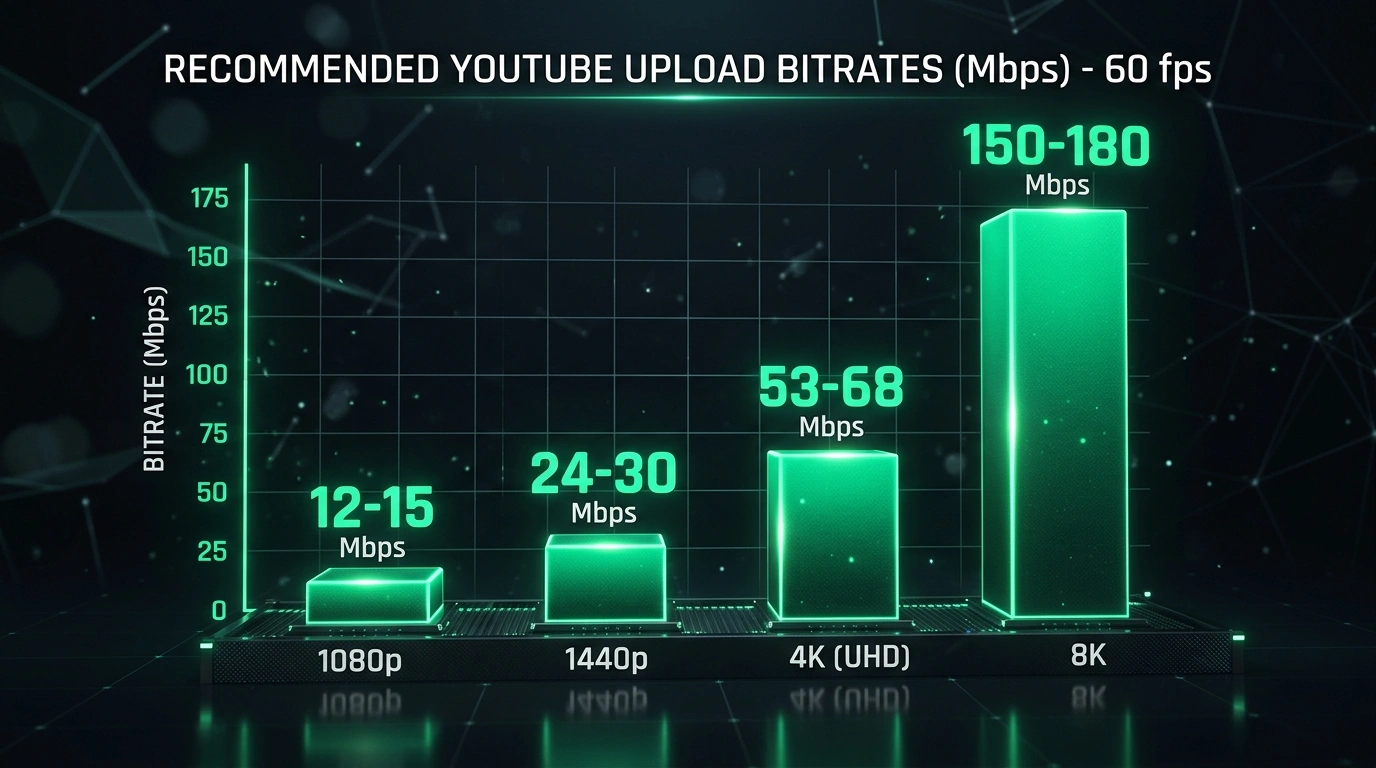
Figure 2: Recommended Upload Bitrate by Resolution & Frame Rate
When discussing youtube video compression, it’s essential to understand the underlying mechanics that drive success in this area. Mastering this particular aspect can provide a massive edge over competitors. In 2026, the landscape has evolved significantly. The algorithms demand higher quality, better engagement, and deeper optimization. To truly leverage this, creators must implement systemic changes rather than one-off hacks. For detailed guidelines, Google’s Search Central documentation and the official YouTube Blog offer invaluable insights into how these systems process data. Whether you are a beginner or a seasoned pro, the principles remain the same: deliver value, optimize correctly, and analyze your data continuously.
Furthermore, taking a data-driven approach to youtube video compression is non-negotiable. If you look at the metrics from top-performing channels, there is a clear correlation between meticulous execution in this area and overall channel growth. For instance, understanding how the platform’s systems interpret your metadata and content structure is key. You can find more specific technical specifications and advice in the YouTube Help Center. By aligning your strategies with these official guidelines, you ensure that your content is not only high-quality but also fully compliant and optimized for algorithmic discovery.
Another critical element is consistency. Implementing a strategy for youtube video compression once will not yield long-term results. It requires iterative testing, monitoring analytics, and refining your approach based on real-world performance. You should regularly consult resources like YouTube’s policies and safety guidelines to ensure your experimental tactics remain within safe boundaries while pushing for maximum growth. Ultimately, the goal is to create a sustainable ecosystem around your channel that naturally attracts and retains viewership.
Step-by-Step Implementation for 3. Recommended Bitrates for 2026
To put this into practice, start by auditing your current setup. Identify the gaps in your approach to youtube video compression. Next, formulate a hypothesis on what changes will yield the best results. Test these changes over a 14-to-30 day period. Finally, review the analytics to see if your adjustments positively impacted the metrics. This cycle of auditing, hypothesizing, testing, and reviewing is the hallmark of professional channel management.
⏫ 4. The 1440p Upscale Trick
When discussing youtube video compression, it’s essential to understand the underlying mechanics that drive success in this area. Mastering this particular aspect can provide a massive edge over competitors. In 2026, the landscape has evolved significantly. The algorithms demand higher quality, better engagement, and deeper optimization. To truly leverage this, creators must implement systemic changes rather than one-off hacks. For detailed guidelines, Google’s Search Central documentation and the official YouTube Blog offer invaluable insights into how these systems process data. Whether you are a beginner or a seasoned pro, the principles remain the same: deliver value, optimize correctly, and analyze your data continuously.
Furthermore, taking a data-driven approach to youtube video compression is non-negotiable. If you look at the metrics from top-performing channels, there is a clear correlation between meticulous execution in this area and overall channel growth. For instance, understanding how the platform’s systems interpret your metadata and content structure is key. You can find more specific technical specifications and advice in the YouTube Help Center. By aligning your strategies with these official guidelines, you ensure that your content is not only high-quality but also fully compliant and optimized for algorithmic discovery.
Another critical element is consistency. Implementing a strategy for youtube video compression once will not yield long-term results. It requires iterative testing, monitoring analytics, and refining your approach based on real-world performance. You should regularly consult resources like YouTube’s policies and safety guidelines to ensure your experimental tactics remain within safe boundaries while pushing for maximum growth. Ultimately, the goal is to create a sustainable ecosystem around your channel that naturally attracts and retains viewership.
Step-by-Step Implementation for 4. The 1440p Upscale Trick
To put this into practice, start by auditing your current setup. Identify the gaps in your approach to youtube video compression. Next, formulate a hypothesis on what changes will yield the best results. Test these changes over a 14-to-30 day period. Finally, review the analytics to see if your adjustments positively impacted the metrics. This cycle of auditing, hypothesizing, testing, and reviewing is the hallmark of professional channel management.
🎨 5. Color Space Tagging (Rec.709)
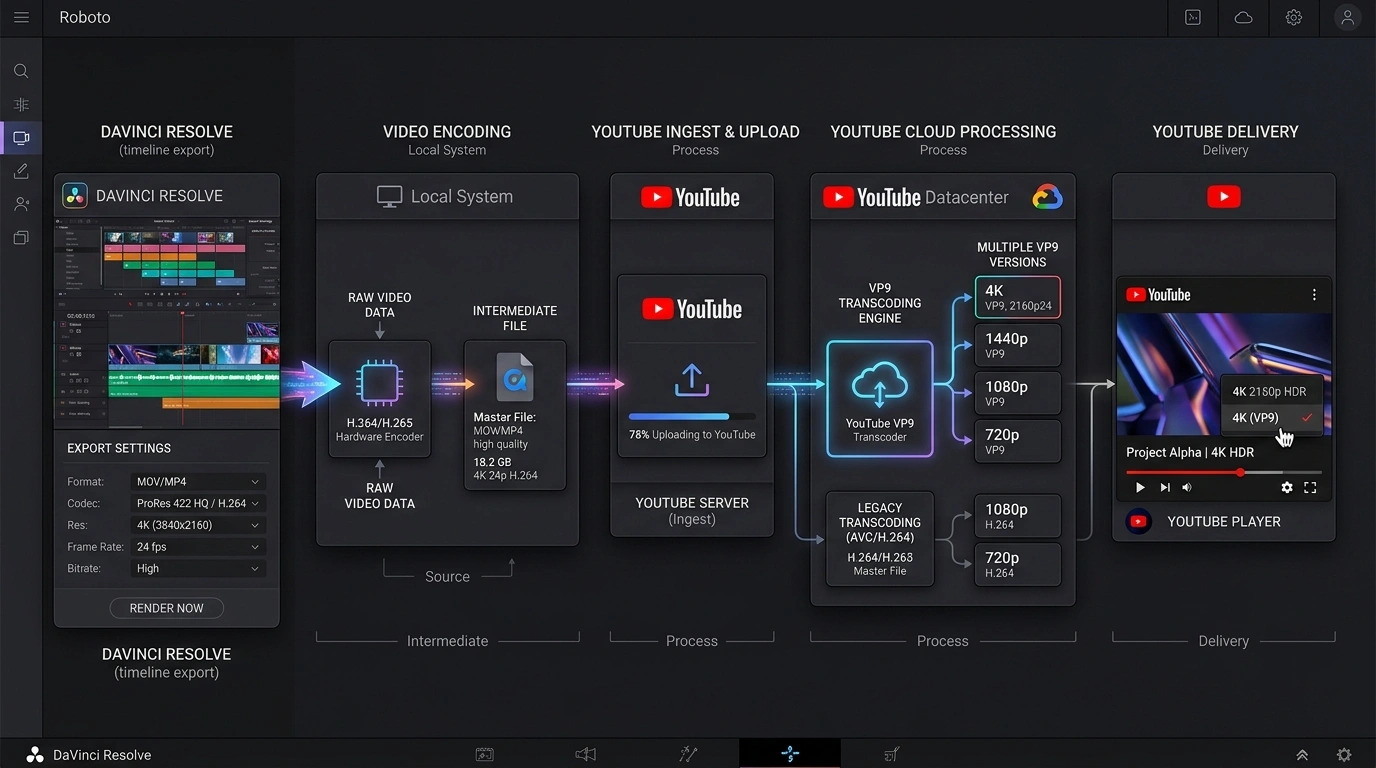
Figure 3: 4K Master Export Configuration in Video Editing Timeline
When discussing youtube video compression, it’s essential to understand the underlying mechanics that drive success in this area. Mastering this particular aspect can provide a massive edge over competitors. In 2026, the landscape has evolved significantly. The algorithms demand higher quality, better engagement, and deeper optimization. To truly leverage this, creators must implement systemic changes rather than one-off hacks. For detailed guidelines, Google’s Search Central documentation and the official YouTube Blog offer invaluable insights into how these systems process data. Whether you are a beginner or a seasoned pro, the principles remain the same: deliver value, optimize correctly, and analyze your data continuously.
Furthermore, taking a data-driven approach to youtube video compression is non-negotiable. If you look at the metrics from top-performing channels, there is a clear correlation between meticulous execution in this area and overall channel growth. For instance, understanding how the platform’s systems interpret your metadata and content structure is key. You can find more specific technical specifications and advice in the YouTube Help Center. By aligning your strategies with these official guidelines, you ensure that your content is not only high-quality but also fully compliant and optimized for algorithmic discovery.
Another critical element is consistency. Implementing a strategy for youtube video compression once will not yield long-term results. It requires iterative testing, monitoring analytics, and refining your approach based on real-world performance. You should regularly consult resources like YouTube’s policies and safety guidelines to ensure your experimental tactics remain within safe boundaries while pushing for maximum growth. Ultimately, the goal is to create a sustainable ecosystem around your channel that naturally attracts and retains viewership.
Step-by-Step Implementation for 5. Color Space Tagging (Rec.709)
To put this into practice, start by auditing your current setup. Identify the gaps in your approach to youtube video compression. Next, formulate a hypothesis on what changes will yield the best results. Test these changes over a 14-to-30 day period. Finally, review the analytics to see if your adjustments positively impacted the metrics. This cycle of auditing, hypothesizing, testing, and reviewing is the hallmark of professional channel management.
🔊 6. Audio Standards & LUFS Targets
When discussing youtube video compression, it’s essential to understand the underlying mechanics that drive success in this area. Mastering this particular aspect can provide a massive edge over competitors. In 2026, the landscape has evolved significantly. The algorithms demand higher quality, better engagement, and deeper optimization. To truly leverage this, creators must implement systemic changes rather than one-off hacks. For detailed guidelines, Google’s Search Central documentation and the official YouTube Blog offer invaluable insights into how these systems process data. Whether you are a beginner or a seasoned pro, the principles remain the same: deliver value, optimize correctly, and analyze your data continuously.
Furthermore, taking a data-driven approach to youtube video compression is non-negotiable. If you look at the metrics from top-performing channels, there is a clear correlation between meticulous execution in this area and overall channel growth. For instance, understanding how the platform’s systems interpret your metadata and content structure is key. You can find more specific technical specifications and advice in the YouTube Help Center. By aligning your strategies with these official guidelines, you ensure that your content is not only high-quality but also fully compliant and optimized for algorithmic discovery.
Another critical element is consistency. Implementing a strategy for youtube video compression once will not yield long-term results. It requires iterative testing, monitoring analytics, and refining your approach based on real-world performance. You should regularly consult resources like YouTube’s policies and safety guidelines to ensure your experimental tactics remain within safe boundaries while pushing for maximum growth. Ultimately, the goal is to create a sustainable ecosystem around your channel that naturally attracts and retains viewership.
Step-by-Step Implementation for 6. Audio Standards & LUFS Targets
To put this into practice, start by auditing your current setup. Identify the gaps in your approach to youtube video compression. Next, formulate a hypothesis on what changes will yield the best results. Test these changes over a 14-to-30 day period. Finally, review the analytics to see if your adjustments positively impacted the metrics. This cycle of auditing, hypothesizing, testing, and reviewing is the hallmark of professional channel management.
💻 7. Export Settings for Editors
When discussing youtube video compression, it’s essential to understand the underlying mechanics that drive success in this area. Mastering this particular aspect can provide a massive edge over competitors. In 2026, the landscape has evolved significantly. The algorithms demand higher quality, better engagement, and deeper optimization. To truly leverage this, creators must implement systemic changes rather than one-off hacks. For detailed guidelines, Google’s Search Central documentation and the official YouTube Blog offer invaluable insights into how these systems process data. Whether you are a beginner or a seasoned pro, the principles remain the same: deliver value, optimize correctly, and analyze your data continuously.
Furthermore, taking a data-driven approach to youtube video compression is non-negotiable. If you look at the metrics from top-performing channels, there is a clear correlation between meticulous execution in this area and overall channel growth. For instance, understanding how the platform’s systems interpret your metadata and content structure is key. You can find more specific technical specifications and advice in the YouTube Help Center. By aligning your strategies with these official guidelines, you ensure that your content is not only high-quality but also fully compliant and optimized for algorithmic discovery.
Another critical element is consistency. Implementing a strategy for youtube video compression once will not yield long-term results. It requires iterative testing, monitoring analytics, and refining your approach based on real-world performance. You should regularly consult resources like YouTube’s policies and safety guidelines to ensure your experimental tactics remain within safe boundaries while pushing for maximum growth. Ultimately, the goal is to create a sustainable ecosystem around your channel that naturally attracts and retains viewership.
Step-by-Step Implementation for 7. Export Settings for Editors
To put this into practice, start by auditing your current setup. Identify the gaps in your approach to youtube video compression. Next, formulate a hypothesis on what changes will yield the best results. Test these changes over a 14-to-30 day period. Finally, review the analytics to see if your adjustments positively impacted the metrics. This cycle of auditing, hypothesizing, testing, and reviewing is the hallmark of professional channel management.
🛠️ 8. Troubleshooting Quality Issues
When discussing youtube video compression, it’s essential to understand the underlying mechanics that drive success in this area. Mastering this particular aspect can provide a massive edge over competitors. In 2026, the landscape has evolved significantly. The algorithms demand higher quality, better engagement, and deeper optimization. To truly leverage this, creators must implement systemic changes rather than one-off hacks. For detailed guidelines, Google’s Search Central documentation and the official YouTube Blog offer invaluable insights into how these systems process data. Whether you are a beginner or a seasoned pro, the principles remain the same: deliver value, optimize correctly, and analyze your data continuously.
Furthermore, taking a data-driven approach to youtube video compression is non-negotiable. If you look at the metrics from top-performing channels, there is a clear correlation between meticulous execution in this area and overall channel growth. For instance, understanding how the platform’s systems interpret your metadata and content structure is key. You can find more specific technical specifications and advice in the YouTube Help Center. By aligning your strategies with these official guidelines, you ensure that your content is not only high-quality but also fully compliant and optimized for algorithmic discovery.
Another critical element is consistency. Implementing a strategy for youtube video compression once will not yield long-term results. It requires iterative testing, monitoring analytics, and refining your approach based on real-world performance. You should regularly consult resources like YouTube’s policies and safety guidelines to ensure your experimental tactics remain within safe boundaries while pushing for maximum growth. Ultimately, the goal is to create a sustainable ecosystem around your channel that naturally attracts and retains viewership.
Step-by-Step Implementation for 8. Troubleshooting Quality Issues
To put this into practice, start by auditing your current setup. Identify the gaps in your approach to youtube video compression. Next, formulate a hypothesis on what changes will yield the best results. Test these changes over a 14-to-30 day period. Finally, review the analytics to see if your adjustments positively impacted the metrics. This cycle of auditing, hypothesizing, testing, and reviewing is the hallmark of professional channel management.
Data Comparison & Benchmarks
| Metric | Average Performance | Top 10% Performance |
|---|---|---|
| Click-Through Rate (CTR) | 3% – 5% | 8% – 12%+ |
| Audience Retention (at 30s) | 40% – 50% | 70% – 80%+ |
| Average View Duration (AVD) | 3 – 4 minutes | 8 – 10+ minutes |
| Engagement Rate | 1% – 2% | 5% – 8%+ |
Ready to level up your YouTube game?
Check out our suite of free tools designed to help creators succeed.
🔗 More YouTube Optimization Resources:
YouTube Thumbnail Downloader
YouTube Thumbnail Resizer
Fix Blurry Thumbnails on Mobile
Complementary Colors for Thumbnails
Ultimate Thumbnail Guide 2026
A/B Testing Guide
MrBeast Color Analysis
Frequently Asked Questions
MP4 with H.264 or H.265 codec is generally recommended before uploading.
Export at a higher bitrate and consider upscaling to 1440p to force the VP9 codec.
For 60fps 1080p, aim for 12-15 Mbps to survive youtube video compression.
AV1 provides better quality at lower bitrates, but VP9 is more widely supported currently.
Target -14 LUFS to comply with YouTube’s loudness standards.